
Battery-operated wall lights are transforming outdoor and indoor spaces, offering a compelling alternative to traditional wired options. Their portability and energy efficiency make them increasingly attractive, while diverse styles cater to various aesthetic preferences. This comprehensive guide explores the nuances of these versatile lighting solutions, from technical specifications to installation, maintenance, and creative design ideas.
The rise of battery-powered lighting reflects a broader trend toward sustainability and smart home integration. These lights are not just about convenience; they’re about flexibility, enabling homeowners and businesses to create unique ambiances and enhance safety, particularly in hard-to-wire locations.
Introduction to Battery-Operated Wall Lights
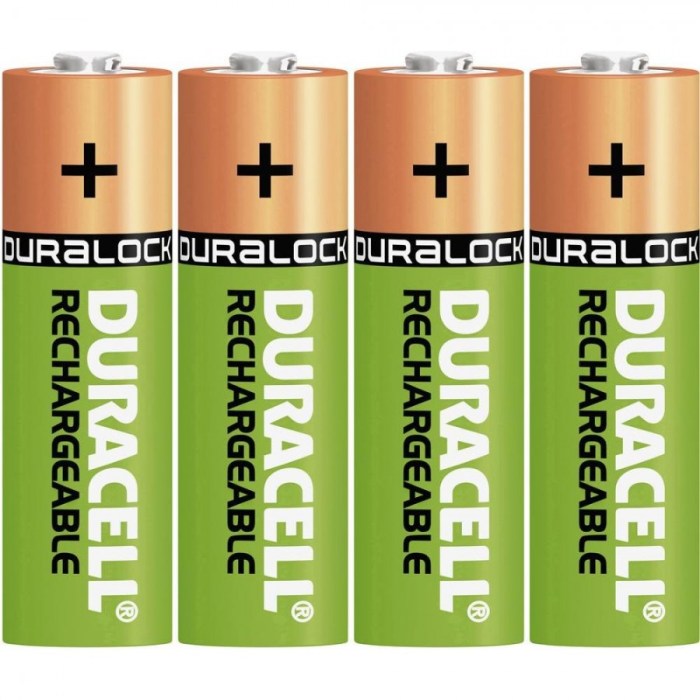
Battery-operated wall lights are increasingly popular for their convenience and versatility, offering a flexible alternative to hardwired fixtures. These lights, powered by rechargeable or disposable batteries, are a practical solution for a wide range of applications, from enhancing outdoor security to providing ambient illumination in various indoor spaces. Their portability and ease of installation make them an attractive option for temporary or customized lighting needs.These self-contained lighting solutions eliminate the complexities of wiring and electrical connections, making them a simple and cost-effective way to add illumination to any environment.
Their compact design and varied styles further contribute to their appeal, allowing for tailored integration into diverse architectural and design aesthetics.
Types of Battery-Operated Wall Lights
Battery-powered wall lights come in a range of technologies, each with distinct characteristics and applications. The most common types include LED and, to a lesser extent, incandescent options. LED lights are favored for their energy efficiency and extended lifespan, offering superior brightness and a wider spectrum of color temperatures. Incandescent bulbs, while less efficient, provide a familiar warm glow, though their lifespan is shorter.
Uses for Battery-Operated Wall Lights
These lights serve a variety of purposes, transcending the traditional role of simple illumination. Their versatility extends to outdoor security, interior accent lighting, and even as functional bedside lamps. The portability of these lights allows for adaptability to temporary needs and custom lighting arrangements.
Table of Battery-Operated Wall Lights
The table below provides a concise overview of various battery-operated wall lights, categorized by their light type, power source, and typical use cases.
| Light Type | Power Source | Typical Use Cases |
|---|---|---|
| LED | Rechargeable Batteries (NiMH, Lithium-ion) or Disposable Batteries | Outdoor security lighting, accent lighting in gardens and walkways, bedside lamps, temporary event lighting, or areas where wiring is impractical or undesirable. |
| Incandescent | Disposable Batteries (AA, C, D) | Accent lighting, decorative wall sconces, or temporary installations where energy efficiency is less of a priority. |
Features and Benefits
Battery-operated wall lights are rapidly gaining traction in residential and commercial settings, offering a compelling alternative to traditional wired options. Their portability, ease of installation, and energy efficiency make them a compelling choice for diverse applications. This section delves into the key differentiators and advantages of these innovative lighting solutions.
Key Features Differentiating Battery-Operated Wall Lights
Battery-operated wall lights are distinguished by their inherent portability and the absence of complex wiring. This contrasts sharply with traditional wired counterparts, which often require significant infrastructure investment and specialized installation. This inherent mobility translates into a greater degree of flexibility in interior design and functional adaptability. For example, they are ideal for temporary installations or areas where permanent wiring is impractical or undesirable.
Advantages of Battery-Operated Over Wired Wall Lights
Battery-powered wall lights offer several advantages over their wired counterparts. Installation is notably simplified, often requiring only the mounting of the fixture, eliminating the need for electrical conduits and professional electricians. This translates into substantial cost savings and a significantly shorter installation time. Furthermore, the mobility offered by battery-operated fixtures is unparalleled. They can be easily repositioned, allowing for dynamic lighting configurations and adjustments in response to changing needs.
This flexibility is particularly useful in spaces where the layout or purpose may evolve over time.
Installation Advantages
The installation process for battery-operated wall lights is dramatically streamlined. No need for complex wiring or electrical permits, which saves both time and money. For example, a homeowner can install a battery-operated wall light in a few minutes, in contrast to the hours or even days required for a wired fixture. This significant reduction in installation time and effort makes battery-operated wall lights highly attractive for temporary or renovation projects.
Mobility Advantages
The inherent mobility of battery-operated wall lights provides a significant edge over wired counterparts. Repositioning the lights is straightforward, allowing for adjustments based on changing needs or desired aesthetics. This dynamic adaptability is invaluable in spaces that require adaptable lighting solutions, such as hospitality venues or temporary events.
Energy Efficiency Advantages
Battery-operated wall lights often utilize energy-efficient LED technology, contributing to lower operational costs and reduced environmental impact. These lights generally consume significantly less energy compared to traditional incandescent bulbs, leading to substantial long-term savings on electricity bills.
Comparison Table: Battery-Operated vs. Wired Wall Lights
| Feature | Battery-Operated | Wired |
|---|---|---|
| Installation | Simple, often DIY-friendly | Complex, typically requires professional electrician |
| Mobility | High, easily repositioned | Low, fixed in place |
| Cost | Lower upfront cost for the fixture; potentially higher battery costs over time | Higher upfront cost for fixture and installation |
| Installation Time | Faster | Slower |
| Energy Efficiency | Generally high, often LED-based | Variable, depending on the bulb type |
| Maintenance | Battery replacement required periodically | Bulb replacement required periodically |
Types and Styles
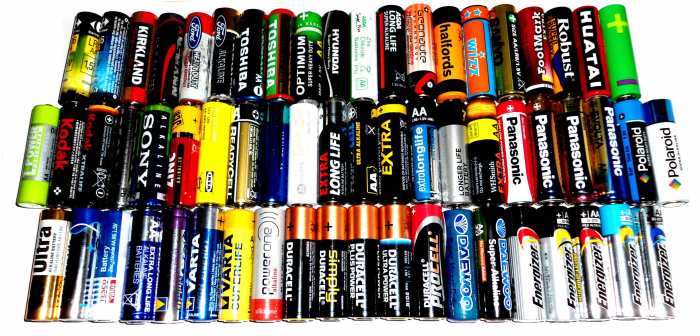
Battery-operated wall lights offer a diverse range of styles, catering to various aesthetic preferences and architectural contexts. From modern minimalist designs to rustic, vintage-inspired pieces, these lights provide a flexible lighting solution for both contemporary and traditional spaces. Understanding these stylistic variations is crucial for selecting the right light fixture to complement a specific design scheme.
Styles of Battery-Operated Wall Lights
A wide array of styles are available in battery-operated wall lights, making them a versatile choice for diverse interiors. These styles reflect trends and preferences in home décor.
| Style | Key Features | Image Description |
|---|---|---|
| Modern | Sleek lines, clean silhouettes, often featuring minimalist forms and neutral color palettes. Materials like metal, glass, and acrylic are common. | A contemporary, rectangular wall sconce with a brushed nickel finish. A frosted glass shade diffuses the light softly. |
| Vintage | Inspired by classic designs from previous eras, featuring ornate details, warm color tones, and often incorporating materials like brass, copper, or wrought iron. | A wall-mounted sconce with a curved arm and a glass shade, reminiscent of a 1920s-era design. The brass finish adds a warm, vintage appeal. |
| Rustic | Featuring a natural, handcrafted aesthetic with warm tones, exposed wood elements, and often incorporating materials like aged metal or distressed wood. | A wall-mounted fixture with a rustic wooden base and a metal frame. The overall design exudes a cozy and welcoming ambiance, perfect for a farmhouse or cabin-style setting. |
| Industrial | Characterized by exposed bulbs, metal finishes like black or steel, and a raw, unfinished look. Often features a geometric shape or a simple silhouette. | A wall sconce with a dark steel finish and a clear glass shade. The exposed bulb creates a modern industrial aesthetic, ideal for a loft or a garage-style space. |
Technical Specifications
Battery-operated wall lights offer convenience and flexibility, but their performance hinges on the underlying technical specifications. Understanding these details—from battery type to brightness—is crucial for selecting the right fixture for a given application. This section delves into the key technical aspects, empowering informed purchasing decisions.
Battery Types and Lifespan
Battery selection significantly impacts the operational life of wall lights. Different battery types offer varying voltage, capacity, and ultimately, run times. Common choices include alkaline, rechargeable, and lithium-ion batteries. Alkaline batteries, while readily available, are generally less cost-effective in the long run compared to rechargeable options due to their finite lifespan.
- Alkaline batteries, such as AA and AAA, are prevalent due to their affordability and readily availability. However, their performance degrades with use and they have a limited number of charge cycles. Their use is often preferable for infrequent or short-duration use cases.
- Rechargeable batteries, including NiMH (Nickel Metal Hydride) and NiCd (Nickel Cadmium), offer the advantage of extended usage. These batteries can be recharged and reused, reducing waste and providing potential cost savings over time. However, their performance can be affected by factors like temperature and the quality of the charger.
- Lithium-ion batteries, increasingly popular, provide superior energy density and longer lifespans compared to other types. This translates to a greater run time and fewer recharge cycles, making them suitable for applications demanding extended operational periods. The higher initial cost is often offset by the long-term cost-effectiveness and reliability.
Brightness Levels and Color Temperatures
The perceived brightness of a wall light is determined by the lumen output of the LED. This metric reflects the total luminous flux emitted by the light source. Higher lumen values translate to brighter illumination. The color temperature, measured in Kelvin (K), dictates the hue of the light. Warmer color temperatures (e.g., 2700K) create a yellowish-white ambiance, while cooler temperatures (e.g., 5000K) produce a brighter, whiter light.
The ideal color temperature depends on the desired atmosphere and the intended use of the light.
Battery Performance Comparison
Different battery types exhibit distinct performance characteristics. The following table provides a comparative overview of common battery types, their voltage, and estimated run time. Note that these figures are estimations and can vary depending on the specific light fixture, environmental conditions, and battery quality.
| Battery Type | Voltage (V) | Estimated Run Time (hours) |
|---|---|---|
| AA Alkaline | 1.5 | 20-40 |
| AAA Alkaline | 1.5 | 15-30 |
| Rechargeable NiMH | 1.2 | 30-60 |
| Rechargeable Lithium-ion | 3.7 | 50-100 |
Installation and Maintenance
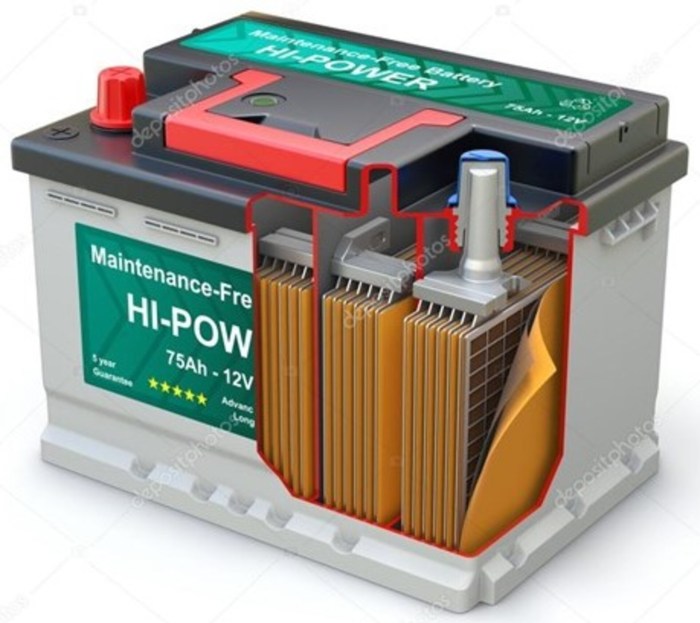
Battery-operated wall lights offer a convenient, low-maintenance alternative to wired options. However, proper installation and upkeep are crucial for longevity and optimal performance. Understanding the process ensures trouble-free operation and maximizes the lifespan of these aesthetically pleasing lighting fixtures.A well-maintained battery-operated wall light contributes to a more seamless and trouble-free experience. Following the correct installation and maintenance procedures can prevent potential issues and extend the life of the product.
Typical Installation Process
The installation of battery-operated wall lights typically involves a straightforward procedure, requiring minimal tools and expertise. Safety precautions should always be prioritized during installation.
- Preparation: Ensure the mounting surface is clean, dry, and suitable for the adhesive or mounting hardware provided with the fixture. Inspect the mounting plate for any damage or imperfections.
- Placement: Carefully position the light fixture at the desired location on the wall, aligning it with the mounting plate.
- Adhesive Application (if applicable): Apply adhesive to the mounting plate according to the manufacturer’s instructions, ensuring proper coverage for secure bonding. Allow sufficient time for the adhesive to cure before proceeding. For some models, a drill and screws may be necessary.
- Attachment: Securely attach the mounting plate to the wall using the appropriate hardware (screws, anchors, or adhesive). Tighten the screws firmly to ensure a stable and secure mounting.
- Battery Insertion: Insert the batteries into the designated compartments in the light fixture, ensuring proper polarity as indicated by the symbols on the battery compartment. Some models might require additional steps to install the battery pack.
- Testing: Turn on the light to verify its proper operation and adjust the light’s position as needed.
Maintenance Procedures
Regular maintenance ensures the long-term functionality and aesthetic appeal of battery-operated wall lights.
- Cleaning: Periodically clean the light fixture with a soft, dry cloth to remove dust and debris. Avoid using harsh chemicals or abrasive materials, which could damage the fixture’s finish. A damp cloth with mild dish soap can be used for stubborn dirt. Never immerse the light fixture in water.
- Battery Replacement: Replace batteries when the light’s brightness diminishes significantly. Consult the manufacturer’s recommendations for the specific battery type and expected lifespan.
Potential Problems and Troubleshooting
Troubleshooting minor issues with battery-operated wall lights is often straightforward.
- Light not working: Verify battery insertion, ensuring proper polarity. If the problem persists, inspect the fixture for loose connections or damage. Check if the batteries are fresh and have sufficient charge.
- Dim light: Replace the batteries with fresh ones of the correct type and voltage. If the problem continues, the fixture might need professional repair.
- Flickering light: Check for loose connections within the fixture and ensure the batteries are securely installed. A damaged battery could also cause flickering.
Safety Considerations
Battery-operated wall lights, while convenient, require careful handling and adherence to safety precautions. Improper use or disregard for safety protocols can lead to accidents or damage. This section details critical safety measures for both the installation and ongoing use of these lights.Proper battery handling and disposal are paramount to prevent potential hazards. Understanding the specific safety warnings associated with the batteries and the lights themselves is crucial for risk mitigation.
This includes knowledge of the potential dangers of improper battery handling and disposal, and how to prevent accidents during installation and maintenance.
Battery Handling Precautions
Ensuring the safe handling of batteries is critical to prevent accidents. Batteries, particularly those containing lithium-ion chemistries, can pose hazards if mishandled. Improper handling can result in leakage, short circuits, or even fires.
- Always handle batteries with clean, dry hands. Avoid touching exposed terminals or connectors with wet or oily hands.
- Do not attempt to disassemble or modify batteries. This can lead to hazardous situations.
- Store batteries in a cool, dry place, away from direct sunlight and heat sources.
- Never mix different types of batteries (e.g., alkaline and lithium-ion). Use only the specified battery type for the wall light model.
- If a battery leaks, immediately remove it from the device and clean the affected area with a damp cloth. Ensure the affected area is completely dry before handling.
Wall Light Safety Warnings
Specific safety precautions are necessary for wall light installations and use. Proper installation, as per manufacturer instructions, is crucial to avoid electrical shocks and other potential hazards.
- Ensure the wall light is compatible with the electrical wiring in your home. Use only appropriate wiring and connections.
- Always turn off the power supply to the wall outlet before installing or replacing the light.
- Do not use damaged or faulty wall lights. Replace them immediately.
- Keep wall lights out of reach of children to prevent accidental falls or misuse.
- Do not attempt to repair or modify the wall light yourself if you are not qualified. Contact a certified electrician.
Battery Disposal
Proper battery disposal is essential to protect the environment and prevent potential hazards. Batteries contain hazardous materials that can pollute landfills if not disposed of correctly.
- Contact local recycling centers or disposal facilities for instructions on how to properly dispose of batteries. Many municipalities have designated collection points.
- Do not dispose of batteries in regular trash. Improper disposal can contaminate soil and water sources.
- Follow manufacturer instructions on the correct method for battery disposal. Specific procedures for different battery types may vary.
Safety Warnings and Precautions
A summary of safety warnings and precautions is presented in the table below:
| Hazard | Safety Precautions |
|---|---|
| Battery leakage | Handle batteries with clean, dry hands; store in a cool, dry place; do not mix battery types. |
| Electrical shock | Turn off power before installation; use compatible wiring; do not use damaged lights; contact a qualified electrician if needed. |
| Fire hazard | Do not overcharge or short-circuit batteries; do not expose to extreme heat; follow manufacturer instructions for charging and use. |
| Child safety | Keep wall lights out of reach of children; ensure proper installation to prevent falls. |
| Environmental hazard | Properly dispose of batteries; do not throw batteries in regular trash. |
Durability and Reliability
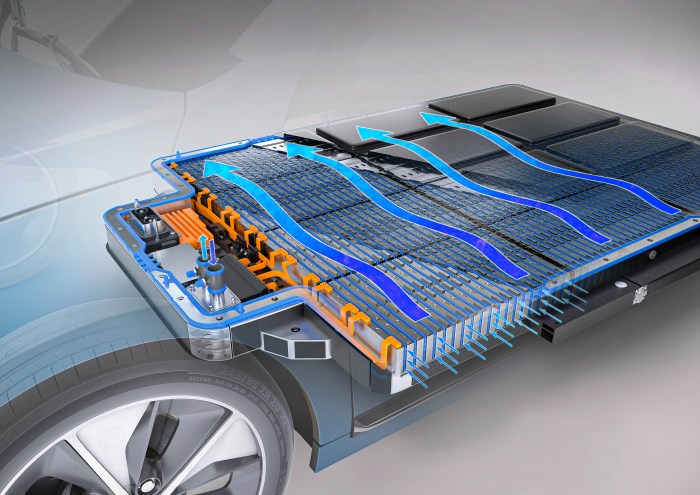
Battery-operated wall lights, while offering convenience and aesthetic appeal, are only as good as their construction and design. Durability and reliability are paramount, especially for outdoor applications. Understanding the expected lifespan, material strengths, brand reputations, and environmental factors impacting performance is crucial for informed purchasing decisions.The longevity of battery-operated wall lights hinges on factors ranging from the quality of the battery to the robustness of the housing.
The interplay of these factors determines the overall reliability of the product. This section delves into the key aspects that contribute to the durability and dependability of these modern lighting solutions.
Typical Lifespan of Battery-Operated Wall Lights
The lifespan of battery-operated wall lights varies considerably, depending on the type of battery used, the frequency of use, and the environmental conditions. Manufacturers typically offer estimates for battery life under ideal conditions, but real-world performance can fluctuate. For example, a low-cost, frequently used outdoor model might see a battery replacement every six months, whereas a high-quality, infrequently used indoor model might last for two years or more between battery changes.
Durability of Materials Used in Construction
The durability of battery-operated wall lights is strongly correlated with the quality of materials used in their construction. Outdoor models, in particular, need robust housings to withstand harsh weather conditions. Plastic housings, while lightweight and cost-effective, may be prone to cracking or warping in extreme temperatures or exposure to moisture. Metal housings, while more durable, can be more expensive and heavier.
High-quality polycarbonate or ABS plastic, reinforced with UV stabilizers, often provides a good balance of cost and durability for outdoor use. Aluminum alloys, known for their strength and resistance to corrosion, are sometimes used in high-end outdoor models.
Reliability of Different Brands and Models
Consumer reviews and ratings can offer insights into the reliability of different brands and models. Researching online reviews from multiple sources is often a good way to gain a broader perspective. For example, a particular brand might consistently receive positive feedback for its long-lasting batteries and robust construction, while another brand might have a reputation for issues with water resistance or frequent failures.
This information helps consumers make more informed choices.
Impact of Weather Conditions on Outdoor Models
Weather conditions significantly affect the lifespan of outdoor battery-operated wall lights. Exposure to prolonged periods of rain, intense sunlight, and freezing temperatures can accelerate the degradation of materials, leading to premature failure. Models designed for outdoor use often incorporate weather-resistant seals and materials like UV-resistant polycarbonate to protect components from the elements. For instance, a wall light with a poorly sealed housing might experience corrosion and short circuits after prolonged exposure to moisture, while a well-designed model with a robust enclosure can withstand the elements for several years.
Cost and Value
Battery-operated wall lights offer a compelling blend of convenience and style, but their cost-effectiveness hinges on factors beyond mere price. Understanding the typical price range, comparing them to alternative lighting solutions, and identifying price-influencing elements is crucial for informed purchasing decisions. This analysis delves into the value proposition of these lights, offering a nuanced perspective on their financial attractiveness.
Typical Price Range
Battery-operated wall lights exhibit a wide price spectrum, influenced significantly by features and materials. Entry-level models, often featuring simpler designs and fewer functionalities, start around $20 to $50. Mid-range options, with enhanced features like adjustable brightness or multiple color options, typically fall between $50 and $150. High-end models, incorporating premium materials, sophisticated designs, and advanced control systems, can exceed $150.
These price variations reflect the trade-offs between basic functionality, aesthetic appeal, and technological sophistication.
Cost-Effectiveness Compared to Other Lighting Options
While initial investment may seem higher than some alternative lighting choices, battery-operated wall lights offer long-term cost savings through reduced energy bills and potentially lower maintenance expenses. The comparative cost-effectiveness depends on factors such as energy rates, frequency of usage, and the lifespan of the lighting solution. For areas with high electricity costs or infrequent use, battery-powered solutions often prove more economical in the long run.
For example, a frequently used outdoor path light that would traditionally rely on an electrical connection, could significantly reduce electricity bills when a battery-operated alternative is chosen.
Factors Influencing Price
Several factors contribute to the price variations among battery-operated wall lights. Premium materials like brushed aluminum or stainless steel, advanced LED technology for improved brightness and longevity, smart features like voice control or dimming capabilities, and intricate design elements all elevate the cost. Aesthetics, often a significant factor for consumers, can also affect the price. Furthermore, the availability of additional features, such as integrated motion sensors or dusk-to-dawn capabilities, often correlates with a higher price point.
Comparative Analysis of Models
The following table provides a comparative analysis of various battery-operated wall lights, highlighting price points and key features. Note that specific models and features may vary, and pricing is approximate.
| Model | Price Range ($) | Key Features |
|---|---|---|
| EcoGlow Pro | $30 – $60 | Basic design, replaceable batteries, integrated motion sensor |
| AuraSmart | $70 – $120 | Adjustable brightness, multiple color options, app control, integrated dusk-to-dawn sensor |
| Lumin | $150 – $250 | Premium materials (e.g., brushed brass), advanced LED technology, voice control, smart home integration |
Market Trends
Battery-operated wall lights are experiencing a surge in popularity, driven by a confluence of factors including growing environmental consciousness, a desire for energy efficiency, and the rising demand for aesthetically pleasing and versatile lighting solutions. This dynamic market is shaping design trends, prompting innovation, and reshaping the landscape of home and commercial lighting.The market for battery-operated wall lights is rapidly expanding, fueled by technological advancements in battery life, LED lighting efficiency, and smart home integration.
This growth is expected to continue as consumers increasingly seek sustainable and convenient lighting options.
Growth Factors
The market’s growth is underpinned by several key factors. Firstly, increasing energy costs are prompting consumers to adopt energy-efficient lighting solutions. Battery-powered options are a clear choice, offering significant savings on electricity bills over traditional wired systems. Secondly, the growing trend of smart home technology is significantly impacting the market. Smart wall lights, capable of being controlled via mobile apps, are gaining traction, allowing users to customize lighting schemes, set schedules, and integrate them into broader smart home ecosystems.
Finally, the environmental impact of traditional lighting is becoming a significant concern, driving demand for eco-friendly alternatives. Battery-operated lights, often using eco-friendly materials, contribute to this trend.
Design Influences
The market’s evolution is dramatically impacting design. Modern designs are prioritizing sleek aesthetics and minimalist forms, often incorporating integrated touch controls and dimming capabilities. Smart features, such as voice control compatibility and color-changing options, are increasingly prominent in contemporary designs. The trend towards outdoor lighting solutions is also boosting innovative designs, emphasizing durability and weather resistance. Manufacturers are exploring innovative materials like recycled plastics and sustainable metals to create both functional and environmentally conscious products.
Technological Advancements
Technological advancements are continuously pushing the boundaries of battery-operated wall lights. Improvements in battery technology are significantly increasing the runtime of these devices. Higher-capacity batteries and more efficient LED lighting are enabling longer-lasting illumination. Furthermore, the integration of advanced control systems, such as Bluetooth connectivity and Wi-Fi integration, allows for seamless integration into smart home ecosystems. This leads to more versatile lighting experiences, customized to individual needs and preferences.
For instance, a recent innovation integrates solar charging capabilities, extending the use cases for these lights and promoting further environmental benefits.
Sustainability Concerns
The increasing demand for eco-friendly solutions is a significant driving force. Battery-operated wall lights, when manufactured with sustainable materials, can significantly reduce the environmental footprint compared to traditional fixtures. Manufacturers are actively incorporating recycled plastics and sustainable metals into the design process, contributing to a more environmentally conscious approach to lighting solutions. Examples include using recycled aluminum in the housing and utilizing LED technology with low energy consumption.
Future Outlook
The market for battery-operated wall lights is poised for continued growth. The combination of energy efficiency, smart features, and aesthetic appeal is attracting a broader consumer base. Furthermore, advancements in battery technology and design are expected to enhance the appeal and practicality of these products, making them a compelling choice for homeowners and businesses alike. The predicted expansion of smart home technology will also further accelerate this market’s growth.
Comparison with Similar Products
Battery-operated wall lights offer a compelling alternative to traditional wired fixtures and, increasingly, to solar-powered options. Understanding the nuances of each technology is crucial for selecting the optimal lighting solution for a given application. This comparison will illuminate the strengths and weaknesses of each approach, allowing informed decision-making.
Battery-Operated vs. Solar-Powered Wall Lights
Battery-operated and solar-powered wall lights cater to different needs and present distinct advantages and disadvantages. Both offer a degree of autonomy, but the power source, maintenance, and overall cost-effectiveness differ significantly. A crucial consideration is the specific use case and the trade-offs each option presents.
Advantages and Disadvantages of Battery-Operated Wall Lights
Battery-operated wall lights boast significant flexibility, easily adapting to various locations and configurations. Their mobility is a key advantage, eliminating the need for complex wiring and installation processes. They also provide the convenience of readily available power options, allowing for rapid deployment and repositioning. However, battery life and replacement costs can be factors. Furthermore, sustained use can require frequent battery replacements, impacting both the environmental and financial aspects.
Advantages and Disadvantages of Solar-Powered Wall Lights
Solar-powered wall lights harness renewable energy, minimizing environmental impact. They require minimal maintenance, as the primary energy source is the sun. However, their performance is inherently dependent on sunlight availability, limiting their suitability in areas with low or inconsistent sunlight. Solar-powered systems are often more expensive to install upfront, and their energy storage capacity and performance in cloudy conditions can be problematic.
Factors to Consider When Choosing
Choosing between battery-operated and solar-powered wall lights hinges on several key factors. The desired level of mobility, the availability of sunlight, the budget, and the frequency of use all play a critical role in the decision-making process. For high-traffic areas or applications requiring consistent illumination, battery-operated solutions may be preferable. Conversely, for stationary locations with ample sunlight, solar-powered lights could be a cost-effective and sustainable option.
Comparison Table: Battery-Operated vs. Solar-Powered Wall Lights
| Feature | Battery-Operated | Solar-Powered |
|---|---|---|
| Power Source | Batteries | Solar Panels |
| Installation | Relatively easy, minimal tools | Requires installation of panels, may need electrical connection for backup |
| Maintenance | Battery replacement | Minimal, primarily panel cleaning |
| Mobility | High | Low |
| Sunlight Dependence | No | Yes |
| Cost | Generally lower upfront, higher recurring costs for batteries | Higher upfront cost, lower recurring costs |
| Environmental Impact | Moderate, depending on battery disposal | High sustainability potential |
Creative Design Ideas
Battery-operated wall lights offer a compelling opportunity for homeowners and designers to inject a touch of bespoke elegance into various settings. Their versatility, combined with a reduced reliance on hardwiring, unlocks a wealth of creative possibilities, transforming functional lighting into a key design element.These lights, often compact and stylish, can seamlessly blend into existing aesthetics or become a focal point, enriching the ambiance of a space.
Their adaptability extends from subtle accents to bold statements, making them a valuable tool for enhancing the visual appeal of any environment.
Garden and Patio Transformations
Outdoor spaces benefit greatly from the portability and flexibility of battery-operated wall lights. Strategically placed fixtures can illuminate walkways, highlight architectural features, or create a warm and inviting atmosphere. Consider pairing these lights with decorative elements like trellises, sculptures, or potted plants for a cohesive aesthetic. For example, pathway lights strategically placed along a garden path will not only illuminate the way but also accentuate the beauty of the plants and features.
Hallway and Entryway Ambiance
In interior settings, battery-operated wall lights offer a subtle and sophisticated way to brighten hallways and entryways. Varying styles and colors allow for customization that matches existing decor. Consider using a mix of warm and cool-toned lights to create a layered effect. These lights can effectively highlight artwork or architectural details, adding a touch of elegance to these often-overlooked spaces.
Unique Design Considerations
Different settings call for distinct approaches to utilizing battery-operated wall lights. For a minimalist aesthetic, sleek, modern fixtures can be used to highlight key architectural elements. In a bohemian or eclectic style, incorporating lights with unique textures or finishes can add a touch of character and visual interest. For a rustic setting, vintage-inspired or textured lights can provide a warm and inviting ambiance.
Think about incorporating different light intensities and color temperatures to create layered effects, thereby setting the stage for a warm or cool tone to the space.
Gallery of Creative Design Ideas
These are illustrative examples and are not exhaustive:
- Garden Pathway Illumination: Small, integrated LED lights installed along a winding garden path create a warm and inviting ambiance, highlighting plants and architectural details. Consider using different color temperatures to emphasize specific features. This illumination extends safety and aesthetic appeal to outdoor spaces.
- Patio Accent Lighting: Stylish, contemporary wall lights positioned around a patio create a cozy and intimate atmosphere. These lights can highlight outdoor seating areas, or add a touch of elegance to outdoor dining spaces. The soft glow enhances relaxation and comfort.
- Hallway Gallery Wall: Directional battery-operated lights positioned behind a gallery wall can showcase artwork or decorative items. Different light colors can highlight different aspects of the art, creating a dynamic visual effect in a hallway.
- Bohemian Bedroom Nook: Unique, textured wall lights positioned above a cozy reading nook create a warm and inviting ambiance, enhancing the overall aesthetic of the room. The texture and style of the lights should complement the chosen design style.
End of Discussion
In conclusion, battery-operated wall lights represent a significant advancement in lighting technology. Their portability, versatility, and cost-effectiveness make them a compelling choice for various applications. Understanding their diverse styles, technical specifications, and safety considerations is crucial for maximizing their benefits and achieving optimal results. Ultimately, these lights are a valuable asset for modern living, enhancing both functionality and aesthetics.
